How KFC vs KKFC put Nepal’s Trademark law to the test?
July 3, 2026
min read
The Department of Industry on February 8 ruled in favour of KFC, barring KKFC from using its trademark and ordered it to pay a reparation of NRs 100,000. In 2017, when a Nepali brand, Krispy Krunchy Fried Chicken (KKFC), applied for registration of a trademark in the Department of Industry, the globally renowned brand Kentucky Fried Chicken (KFC) objected, claiming that it was similar to theirs and thereby misleading to consumers. Thus, a legal battle was started, which took 8 years for the judgment, and still has not be finalized as the KKFC can still file an appeal at the high court. This lengthy process highlights the delays in Nepal’s judicial system.
Trademark is one of the branches of intellectual property. Section 2 (c) of the Patent, Design and Trademark Act, 2022 BS defines trademark as “a word, symbol, or picture, or a combination thereof, which is used by any firm, company or individual in its products or services to distinguish its products or services from those of others”. A trademark is not limited to only a mark of products or subjects but also extends to word, a name, a string of letters or numbers, a symbol, a logo, a design, a combination of these or other indicators. Basic features of a trademark include distinctiveness, commercial use, and capable of being represented graphically. At present, trade is not limited to a specific territory, but rather involves the transaction of goods and services globally. As a result, various international agreements have been introduced to facilitate global protection. Such agreements include the Paris Convention of 1883, the Agreement on Trade-Related Aspects of Intellectual Property Rights, 1994 (TRIPS), the Madrid Agreement of 1891 (amended in 1979), its protocol of 1989, and the Trademark Law Treaty of 1994.
A trademark is protected by law at the international and national levels. A trademark infringement occurs for any firm, individual, or company it is used by unauthorized party confusingly or identically. Thus, trademark infringement includes using a trademark that is identical or confusingly similar to a trademark owned by another party, in relation to products or services. In Nepal, Section 16 (2) of the Patent, Design and Trademark Act, 2022 B.S. prohibits anyone from copying and using a trademark registered in the name of any person under the Act without transforming the ownership or without written permission pursuant to Section 21(d). The trademark owner can claim infringement when a new arrival uses the same or a similar mark for the same or related types of goods or services, creating the possibility of causing confusion or misleading consumers regarding the source of the goods or services. Thus, trademark infringement exists if the trademark holder can demonstrate that another individual or organization is using a similar trademark, which is likely to confuse or cause a mistake, or to deceive consumers as to the source of a product or service.
When a trademark owner makes a claim of infringement, the court, depending upon certain factors, analyses and decides whether there has been actual infringement or not; such a factor is known as “the likelihood of confusion”. The likelihood of confusion standard examines whether consumers will be confused as to the source, identity, sponsorship, or origin of the goods. At such times, confusion is more likely when an accused product contains multiple signs of similarity. Thus, the likelihood of confusion between trademarks exists when two goods or services are so similar that consumers would mistakenly believe they are from the same source.
In most cases, a two-step analysis is used to test the likelihood of confusion. First, the two marks are looked at in their entirety, just like the public would, and then they are compared for similarities in how they look, sound, their meaning, and how they make people feel about the business. The analysis changes based on the kind of mark. Second, the goods and services of the two marks are compared to see if they are related or if the way they are marketed is likely to cause confusion about their sources.
The court may depend upon factors like appearance, sound, and impression to decide whether the conflicting trademark infringes the registered trademark or not. In the context of Nepal, there have been some cases where, on the grounds of similar appearances and related services, the trademark registration was rejected, i.e. Kansai Nerolac Paints Ltd vs. Rukmini Chemical Industries Pvt Ltd. (NKP 2077, DN 10561), Noor Pratap Rana vs Basnet Footware (NKP 2062, DN 7536) and Amrit Distilleries Pvt. Ltd. vs Facebook Inc. (NKP 2075). This is also what happened in the recent case of KFC vs KKFC, which had been decided by the Department of Industry.
The case of KFC vs KKFC is not only one example of imitation of a popular brand by a Nepali brand; there are several cases where this has happened Centre Fruit Chewing Gum copied by Perfect Centre Feelz, Maintain Dew instead of Mountain Dew, Fantu instead of Fanta, and Spirit in place of Sprite are some of the products that exist in the market. These fake products can be found throughout Nepal, which indicates the weak inspection and protection of the trademark, as well as ineffective implementation of PDTA. In these cases, both the department and the court have rejected the registration on grounds of similarity and have applied the likelihood of confusion test directly or indirectly. However, this standard is not common in Nepal, whether for consumers or for authorities.
Nepal’s law regulating trademarks dates to 2022 B.S., and unlike countries that have separate laws on trademarks, Nepal does not have a specific law regulating it. The Patent, Design and Trademark Act, 2022 BS, contains a chapter on trademark, failing to have in-depth provisions, including the likelihood of confusion. In this context, the lack of incorporation of the likelihood of consumer as a determining factor in trademark infringement in the Nepali Act creates a vacuum, and the issue is solely left to the interpretation by the concerned authorities. Therefore, to meet the demand of the changing times and rapid technological advancement, the Patent, Design and Trademark Act needs to be amended.
Artificial Intelligence (AI) and Intellectual property are very much intertwined. The Rastriya Swatantra Party (RSP), which is leading the government has included in its manifesto a point to a digital-first nation, which will encourage startups and plans to be an exporter of AI within five years, but Nepal does not have any specific legal mechanism governing it. With lack of proper regulating mechanisms to fulfill the vision of digital Nepal, the new government should consider about working on mechanisms to regulate and monitor Intellectual Property as well.
Since a trademark is specifically used to differentiate and identify goods, when a consumer goes to a store, they identify goods with a trademark, but if there are similar goods with identical trademarks, the consumer may end up buying a different one than what they had intended to. Thus, the likelihood of confusion causes harm not only to the owner of the trademark but also to consumers, since consumers are paying for the goods; they shouldn’t be confused with the products because they may have an attachment to brands or goods. It is also a genuine expectation of the consumers that they get the product which they have paid for. Therefore, applying the likelihood of confusion tests is crucial because infringement can be identified, hold the wrongdoer accountable and protect the interests of all related persons or parties. Similarly, for the welfare of consumers and the business itself, strict laws and monitoring are needed in Nepal.
Trademark is one of the branches of intellectual property. Section 2 (c) of the Patent, Design and Trademark Act, 2022 BS defines trademark as “a word, symbol, or picture, or a combination thereof, which is used by any firm, company or individual in its products or services to distinguish its products or services from those of others”. A trademark is not limited to only a mark of products or subjects but also extends to word, a name, a string of letters or numbers, a symbol, a logo, a design, a combination of these or other indicators. Basic features of a trademark include distinctiveness, commercial use, and capable of being represented graphically. At present, trade is not limited to a specific territory, but rather involves the transaction of goods and services globally. As a result, various international agreements have been introduced to facilitate global protection. Such agreements include the Paris Convention of 1883, the Agreement on Trade-Related Aspects of Intellectual Property Rights, 1994 (TRIPS), the Madrid Agreement of 1891 (amended in 1979), its protocol of 1989, and the Trademark Law Treaty of 1994.
A trademark is protected by law at the international and national levels. A trademark infringement occurs for any firm, individual, or company it is used by unauthorized party confusingly or identically. Thus, trademark infringement includes using a trademark that is identical or confusingly similar to a trademark owned by another party, in relation to products or services. In Nepal, Section 16 (2) of the Patent, Design and Trademark Act, 2022 B.S. prohibits anyone from copying and using a trademark registered in the name of any person under the Act without transforming the ownership or without written permission pursuant to Section 21(d). The trademark owner can claim infringement when a new arrival uses the same or a similar mark for the same or related types of goods or services, creating the possibility of causing confusion or misleading consumers regarding the source of the goods or services. Thus, trademark infringement exists if the trademark holder can demonstrate that another individual or organization is using a similar trademark, which is likely to confuse or cause a mistake, or to deceive consumers as to the source of a product or service.
When a trademark owner makes a claim of infringement, the court, depending upon certain factors, analyses and decides whether there has been actual infringement or not; such a factor is known as “the likelihood of confusion”. The likelihood of confusion standard examines whether consumers will be confused as to the source, identity, sponsorship, or origin of the goods. At such times, confusion is more likely when an accused product contains multiple signs of similarity. Thus, the likelihood of confusion between trademarks exists when two goods or services are so similar that consumers would mistakenly believe they are from the same source.
In most cases, a two-step analysis is used to test the likelihood of confusion. First, the two marks are looked at in their entirety, just like the public would, and then they are compared for similarities in how they look, sound, their meaning, and how they make people feel about the business. The analysis changes based on the kind of mark. Second, the goods and services of the two marks are compared to see if they are related or if the way they are marketed is likely to cause confusion about their sources.
The court may depend upon factors like appearance, sound, and impression to decide whether the conflicting trademark infringes the registered trademark or not. In the context of Nepal, there have been some cases where, on the grounds of similar appearances and related services, the trademark registration was rejected, i.e. Kansai Nerolac Paints Ltd vs. Rukmini Chemical Industries Pvt Ltd. (NKP 2077, DN 10561), Noor Pratap Rana vs Basnet Footware (NKP 2062, DN 7536) and Amrit Distilleries Pvt. Ltd. vs Facebook Inc. (NKP 2075). This is also what happened in the recent case of KFC vs KKFC, which had been decided by the Department of Industry.
The case of KFC vs KKFC is not only one example of imitation of a popular brand by a Nepali brand; there are several cases where this has happened Centre Fruit Chewing Gum copied by Perfect Centre Feelz, Maintain Dew instead of Mountain Dew, Fantu instead of Fanta, and Spirit in place of Sprite are some of the products that exist in the market. These fake products can be found throughout Nepal, which indicates the weak inspection and protection of the trademark, as well as ineffective implementation of PDTA. In these cases, both the department and the court have rejected the registration on grounds of similarity and have applied the likelihood of confusion test directly or indirectly. However, this standard is not common in Nepal, whether for consumers or for authorities.
Nepal’s law regulating trademarks dates to 2022 B.S., and unlike countries that have separate laws on trademarks, Nepal does not have a specific law regulating it. The Patent, Design and Trademark Act, 2022 BS, contains a chapter on trademark, failing to have in-depth provisions, including the likelihood of confusion. In this context, the lack of incorporation of the likelihood of consumer as a determining factor in trademark infringement in the Nepali Act creates a vacuum, and the issue is solely left to the interpretation by the concerned authorities. Therefore, to meet the demand of the changing times and rapid technological advancement, the Patent, Design and Trademark Act needs to be amended.
Artificial Intelligence (AI) and Intellectual property are very much intertwined. The Rastriya Swatantra Party (RSP), which is leading the government has included in its manifesto a point to a digital-first nation, which will encourage startups and plans to be an exporter of AI within five years, but Nepal does not have any specific legal mechanism governing it. With lack of proper regulating mechanisms to fulfill the vision of digital Nepal, the new government should consider about working on mechanisms to regulate and monitor Intellectual Property as well.
Since a trademark is specifically used to differentiate and identify goods, when a consumer goes to a store, they identify goods with a trademark, but if there are similar goods with identical trademarks, the consumer may end up buying a different one than what they had intended to. Thus, the likelihood of confusion causes harm not only to the owner of the trademark but also to consumers, since consumers are paying for the goods; they shouldn’t be confused with the products because they may have an attachment to brands or goods. It is also a genuine expectation of the consumers that they get the product which they have paid for. Therefore, applying the likelihood of confusion tests is crucial because infringement can be identified, hold the wrongdoer accountable and protect the interests of all related persons or parties. Similarly, for the welfare of consumers and the business itself, strict laws and monitoring are needed in Nepal.
About the Authors
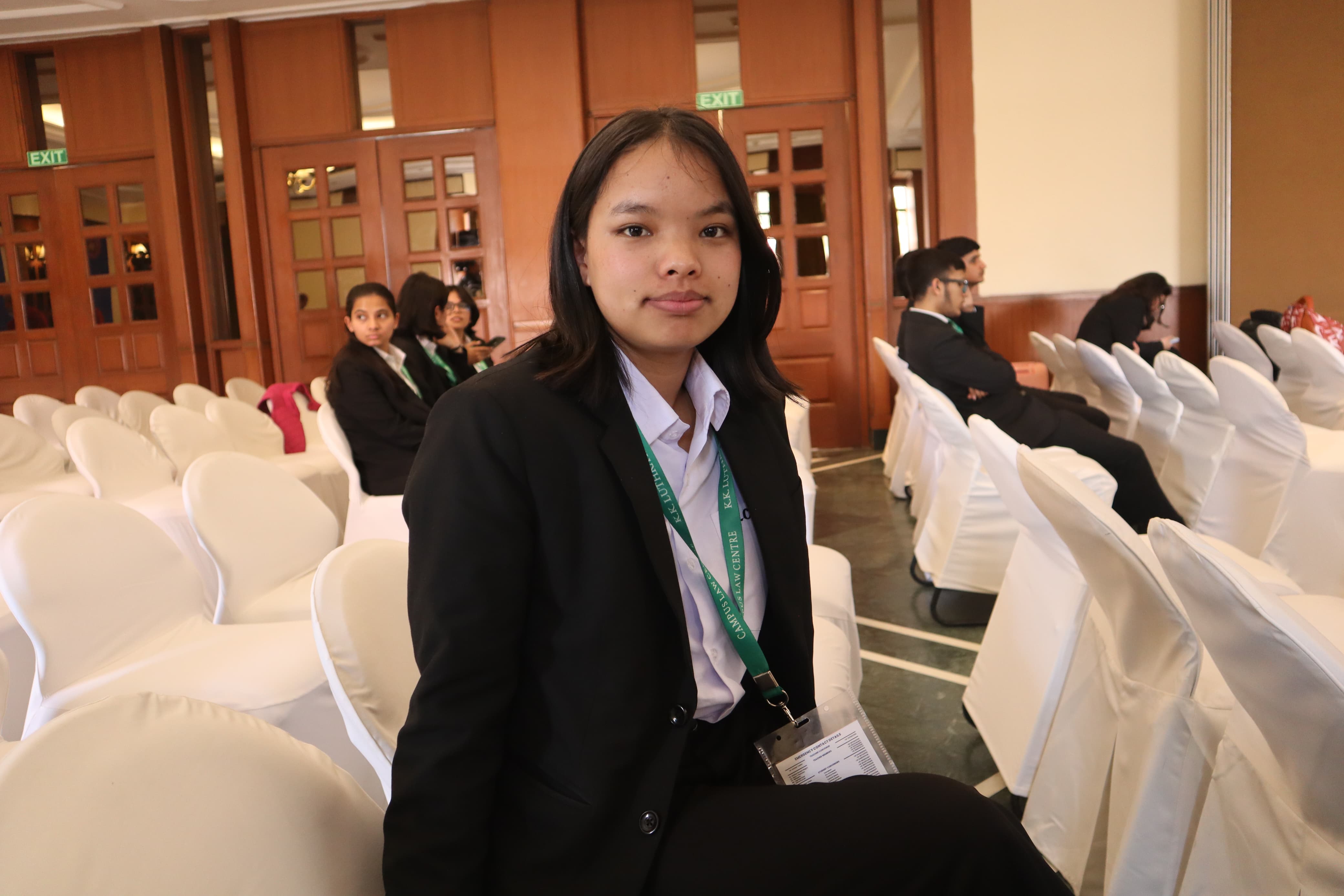
Rebati Thapa Magar
Currently studying BALLB at Nepal Law Campus. Interested in juvenile justice, legal research, and human rights.
View all posts by Rebati Thapa Magar